
Best Way to Fix Water Damage Fast
Water damage is one of the most common and costly problems homeowners face, capable of causing structural issues, mold growth, and property loss within hours. Whether from a burst pipe, flooding, roof leak, or appliance failure, the first few hours after water damage occurs are critical. Acting quickly can mean the difference between a manageable repair situation and thousands of dollars in additional damage. This comprehensive guide will walk you through the essential steps to assess, contain, and remediate water damage as quickly as possible.
Assess the Situation Immediately
The first step in addressing water damage is to understand what you’re dealing with. Different types of water require different responses, and the extent of the damage will determine your course of action.
Identify the water source: Determine whether the water is clean, gray, or black. Clean water comes from sources like burst pipes or rain and poses minimal health risks initially. Gray water comes from appliances, toilets, or HVAC systems and may contain contaminants. Black water is heavily contaminated and comes from sewage, floodwaters, or other hazardous sources. Black water damage requires immediate professional intervention and should never be handled as a DIY project.
Evaluate the extent: Look at how much area is affected. Small, contained water damage from a single leak might be handled quickly with basic cleanup. Large-scale flooding affecting multiple rooms or your home’s foundation requires professional restoration services immediately.
Check for immediate hazards: If water has reached electrical outlets, appliances, or your circuit breaker, turn off power to affected areas immediately. Never enter standing water near electrical systems. If you suspect structural damage or your home’s stability is compromised, evacuate immediately and call emergency services.
Stop the Water Source
Before you can begin cleanup, you must stop the water from continuing to enter your home. This is the most critical first step in preventing additional damage.
Locate the main water shut-off valve: Know where your home’s main water shut-off is located before an emergency occurs. In many homes, it’s found where the water line enters the house, often in the basement, crawlspace, or near the meter. If you have a pipe burst or major leak inside your home, turn off the main valve immediately. This action alone can prevent thousands of dollars in damage.
Turn off water to specific areas: If the damage is isolated to one area, you may be able to shut off water to just that section using local shut-off valves rather than the entire house. Washing machine, toilet, and sink shutoffs are typically located directly behind or under the fixture.
Address roof leaks: If water is coming from above due to roof damage or leaks, place buckets under dripping water and use tarps or plastic sheeting to temporarily divert water away from the damaged area. If safe to do so and the leak is accessible, you can apply temporary sealant or caulk to slow the leak until professional repairs can be made.
Stop appliance leaks: Unplug any leaking appliances and move them away from water if possible. If a washing machine, dishwasher, or refrigerator is leaking, identify and repair the specific issue, or shut off its water supply.
Remove Standing Water Quickly
Standing water is a serious health hazard and accelerates structural damage and mold growth. Removing it should be your next priority after stopping the source.
Use appropriate equipment: For small amounts of water, wet-dry vacuums specifically designed for water removal are highly effective. These are different from household vacuums and won’t damage the equipment. For larger volumes, submersible pumps can remove water efficiently, though these typically require professional operation or rental.
Call professionals for large-scale flooding: If you have more than a few inches of standing water covering a large area, professional water restoration companies have industrial-grade equipment and can remove water much faster than DIY methods. The speed of removal directly impacts the extent of damage, so professional intervention often saves money in the long run.
Start from the highest point: If water removal is necessary, begin removing water from the highest elevation of your home and work downward, allowing gravity to assist drainage. Direct water away from your foundation and toward street drainage systems if possible.
Don’t forget hidden areas: Check under carpet, in crawlspaces, and inside wall cavities. Water can hide in insulation and behind walls, where it will continue to cause damage if not addressed.
Increase Air Circulation and Dehumidification
Once standing water is removed, the critical next step is reducing moisture in the air and in materials. High humidity accelerates mold growth and material degradation, so fast action here is essential.
Open all windows and doors: If weather permits, open windows and doors to create cross-ventilation. This simple step begins moving moisture out of your home. Only do this if outdoor humidity is lower than indoor humidity; during rain or high-humidity weather, this may be counterproductive.
Position fans strategically: Place box fans or pedestal fans to direct air across wet surfaces and out of windows. Multiple fans working together create much faster air circulation than a single fan. Do not use central heating or air conditioning systems until water damage professionals have cleared them, as moisture can be trapped in these systems and spread throughout your home.
Set up dehumidifiers immediately: Industrial dehumidifiers are far more powerful than household units. If you’re dealing with significant water damage, rent commercial dehumidifiers from equipment rental companies. These can remove gallons of moisture per day and are essential for preventing mold. Position dehumidifiers in the most affected areas and empty their collection tanks regularly.
Remove wet materials: Take out wet insulation, drywall, carpet padding, and other porous materials that have absorbed water. These items trap moisture and are nearly impossible to fully dry, making them ideal breeding grounds for mold. It’s often better to remove and replace these materials than to attempt drying them.
Document Everything for Insurance
Before cleaning up, ensure you document all damage with photographs and video. This documentation is essential for insurance claims and will help you remember the extent of damage later.
Take comprehensive photos and videos: Document all affected areas from multiple angles, including close-ups of specific damage. Photograph water lines on walls and furniture, wet materials, and any visible damage. Take videos that pan across affected rooms, narrating what you see.
Make a detailed inventory: List all damaged items with descriptions and estimated values. Include furniture, electronics, clothing, and structural elements. This inventory will be crucial when filing your insurance claim.
Keep all receipts: Save receipts for any emergency supplies, equipment rental, or professional services you use. These expenses may be covered by insurance or deductible.
Contact your insurance company promptly: Call your insurance company as soon as possible, ideally within 24 hours. Report the damage and ask about coverage details and next steps. Insurance companies often recommend specific restoration companies or have preferred vendors.
Prevent Mold Growth
Mold can begin growing within 24 to 48 hours of water damage. Taking swift action to prevent mold is critical for your family’s health and to avoid expensive mold remediation later.
Use antimicrobial treatments: After water removal and during the drying process, apply antimicrobial sprays or solutions to affected areas to inhibit mold growth. These products are available at hardware stores and should be applied according to package directions.
Monitor humidity levels: Keep indoor humidity below 50 percent to prevent mold growth. Dehumidifiers are essential for achieving this. Some newer models have automatic shut-off when target humidity is reached, making them convenient for continuous operation.
Discard questionable materials: If you’re uncertain whether materials can be fully dried, it’s safer to remove and replace them. Damp insulation, carpet padding, and drywall are breeding grounds for mold and should be discarded rather than attempting to salvage them.
Conduct regular inspections: In the weeks following water damage, periodically inspect affected areas for signs of mold, including discoloration, musty odors, or visible fuzzy growth. Early detection allows for faster remediation.
Handle Wet Contents and Belongings
Your personal belongings require attention and care during the water damage recovery process.
Prioritize electronics: Remove wet electronics and place them in a warm, dry location. Do not attempt to use them until completely dry. Small electronics can sometimes be salvaged if dried quickly, but larger appliances often suffer permanent damage.
Save important documents: Wet documents, photos, and important papers can sometimes be saved. Separate them carefully, blot gently with absorbent material, and place them in a warm area to dry. Avoid stacking wet documents, as they’ll stick together and develop mold.
Manage clothing and textiles: Wash textiles that came in contact with water in hot water with detergent to kill contaminants and prevent mold. Dry them thoroughly. Items that came in contact with contaminated water should be discarded if they cannot be thoroughly sanitized. 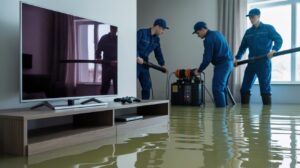
Clean furniture: Wipe down wooden furniture with a damp cloth to clean it, then place it in a warm area with good air circulation to dry. Upholstered furniture is often difficult to dry completely and may need professional cleaning or replacement.
Professional Restoration: When to Call In Experts
Knowing when professional help is needed can prevent further damage and additional costs.
Call immediately if: The damage covers a large area, involves black water, affects your home’s foundation or structural elements, or if you’re unsure about the extent of damage. Professional restoration companies have specialized equipment and expertise that DIY approaches cannot match.
Choose certified professionals: Look for water damage restoration companies certified by the Institute of Inspection, Cleaning and Restoration Certification (IICRC). These professionals follow industry standards and best practices. Get multiple quotes and check references before choosing a company.
Understand the restoration process: Professional restoration typically involves water removal, drying, dehumidification, cleaning, antimicrobial treatment, and reconstruction if necessary. These services are often covered by homeowner’s insurance, particularly if the damage was sudden and accidental.
Prevent Future Water Damage
While you’re addressing current damage, implementing preventive measures can help avoid future incidents.
Maintain your roof: Inspect your roof at least annually for missing or damaged shingles. Clean gutters and downspouts regularly to ensure proper water drainage away from your home.
Monitor plumbing: Regularly inspect visible plumbing for leaks or corrosion. Consider replacing older pipes or fixing small leaks before they become major problems. Many homes over 50 years old have aging plumbing that’s susceptible to failure.
Install water detection devices: Modern water sensors can detect leaks or standing water and alert you via your phone. Place these near water heaters, under sinks, and near appliances prone to leaks.
Ensure proper grading: The ground around your home should slope away from your foundation to direct water away. Poor grading is a common cause of basement flooding during heavy rains.
Maintain appliances: Replace hoses on washing machines and refrigerators every five to seven years. Inspect water heaters regularly and drain them annually to remove sediment.
Consider a sump pump: If your home is prone to basement flooding, a sump pump can automatically remove groundwater and prevent accumulation.
Timeline for Water Damage Recovery
Understanding the typical recovery timeline helps you manage expectations and plan accordingly.
First 24 hours: Stop the water source, remove standing water, begin drying, and contact insurance. Mold growth can begin within this timeframe, so speed is critical.
Days 2-7: Continue dehumidification and air circulation. Remove wet materials that can’t be salvaged. Begin documenting damage and contacting restoration professionals. Most structural drying occurs during this period.
Weeks 2-4: Complete drying and dehumidification. Begin repairs and replacement of damaged materials. Professional water damage services typically conclude within this timeframe.
Ongoing: Monitor for mold or secondary damage for several weeks. Complete reconstruction and repairs. Claim settlement with insurance.
Conclusion
Water damage requires swift, decisive action to minimize loss and prevent secondary damage like mold growth. By immediately stopping the water source, removing standing water, increasing air circulation, and documenting damage, you can significantly reduce the impact of water damage. While small, contained incidents can sometimes be handled through DIY methods, professional restoration services are invaluable for large-scale damage and ensure that industry best practices are followed. The investment in quick action and, when necessary, professional help, will save you money and stress in the long run. Remember that preparation is also prevention—knowing where your water shut-off is located and maintaining your home’s systems can help you avoid water damage entirely.

Best Way to Get Rid of Fleas

Best Way to Perform a Real Estate License Lookup

Best Way to Get Lee Valley Tools Promo Codes
About The Author
